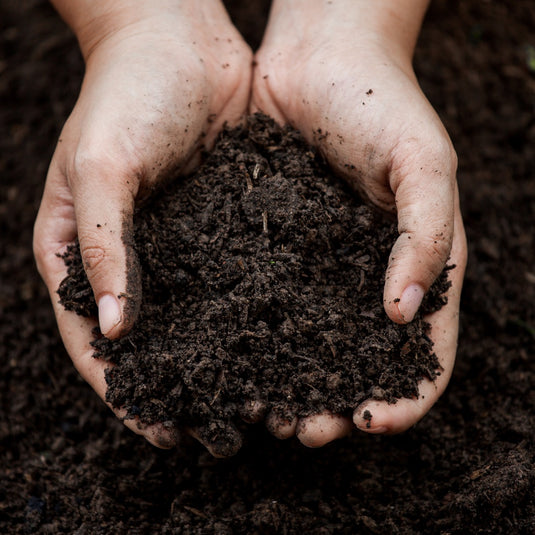
Prendre une grande respiration après une averse rafraîchissante révèle un arôme terreux et inimitable qui transporte beaucoup de gens vers des souvenirs d'enfance passés à jouer dehors. Cette odeur envoûtante, connue sous le nom de pétrichor, fascine les gens depuis des siècles. La source de cet arôme ? Le monde des microbes.
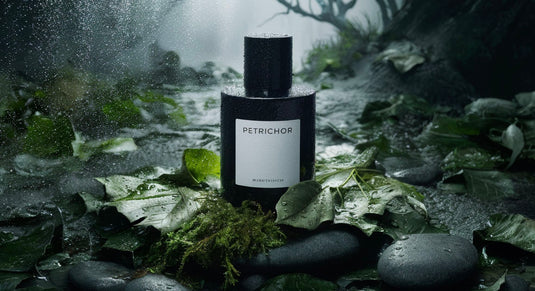

Le plus beau parfum de la nature

Petrichor describes the pleasant scent that arises when rain hits dry soil. The main compound responsible for this scent is geosmin, a term derived from the Greek words for earth, “ge,” and odor, “osme.” Geosmin is produced by a group of soil-dwelling bacteria known as Actinomycetes. These bacteria play a crucial role in decomposing organic matter and recycling nutrients back into the ecosystem.

Le rôle des Actinomycètes

Actinomycetes are filamentous bacteria that thrive in soil. They break down complex organic materials, such as dead plants and animals, into simpler substances that can be absorbed by plants, maintaining soil fertility and ecosystem health. When it rains, Actinomycetes produce spores that are released into the air along with geosmin. Humans can detect geosmin even at very low concentrations, which explains the pronounced smell after a rainfall.

Pourquoi les microbes produisent-ils de la géosmine ?

Until very recently, scientists didn’t know why microbes make geosmin. In 2020, scientists in Sweden discovered that Streptomyces bacteria produce geosmin to attract small invertebrates called springtails in the soil to carry their spores. This helps the bacteria reproduce by dispersing their spores to new locations. Other organisms can detect geosmin too. It attracts mosquitos but repels fruit flies, helping them navigate their environments in ways that benefit their survival.

La géosmine dans notre vie quotidienne

Geosmin can be found in many places besides soil, including lakes, rivers, drinking water, wine, fish, beets, mushrooms, and carrots. If a vegetable or fruit smells like dirt, you can pretty safely assume it’s geosmin.

Most people enjoy the earthy aroma of geosmin when smelling soil in the garden or rain. A synthetic version is added to perfumes, and you can even find it in candles. It brings a sense of nature indoors, making environments feel fresh and natural.

As much as we love the smell of geosmin, it is often unpleasant when tasted in food, particularly in fish and drinks like water and wine. Geosmin poses a significant problem for the food, beverage, aquaculture, and water industries. Many studies focus on finding ways to remove geosmin from consumables. Adding acid such as vinegar or lemon juice to geosmin-containing food or drink can neutralize its flavor, making it more palatable.

Tout cela grâce aux microbes

The interaction between rain and soil bacteria is a perfect example of how microbes quietly shape our environment. These tiny organisms are all around us, from the soil beneath our feet to the food we eat, playing crucial roles in maintaining life on Earth. Next time you catch the scent of petrichor, take a moment to appreciate the incredible microbial world at work!

Sources

Microbiology Society, 2015. The smell of the soil. Available at: https://microbiologysociety.org/publication/past-issues/soil/article/the-smell-of-the-soil.html

Liato, V., 2017. Geosmin as a source of the earthy-musty smell in fruits, vegetables, and water: Origins, impact on foods and water, and review of the removing techniques. Chemosphere, 181, pp.9-16. Available at: https://www.sciencedirect.com/science/article/abs/pii/S0045653517305623

  • Toilet Foam Explosion: new formula, even more foam

    Explosion de mousse pour toilettes : nouvelle f...

    Bonne nouvelle pour celles et ceux qui aiment des toilettes propres sans trop d'efforts : notre Explosion de mousse pour toilettes a une toute nouvelle formule. Plus de mousse, même...

    Explosion de mousse pour toilettes : nouvelle f...

    Bonne nouvelle pour celles et ceux qui aiment des toilettes propres sans trop d'efforts : notre Explosion de mousse pour toilettes a une toute nouvelle formule. Plus de mousse, même...

  • SOS: your stain guide (and the bacteria behind it)

    SOS : ton guide des taches (et les bactéries qu...

    De l'herbe sur les genoux, du café sur ta chemise blanche, des auréoles jaunes sous les bras. Chaque tache est une chimie complètement différente, et voici exactement ce qui se...

    SOS : ton guide des taches (et les bactéries qu...

    De l'herbe sur les genoux, du café sur ta chemise blanche, des auréoles jaunes sous les bras. Chaque tache est une chimie complètement différente, et voici exactement ce qui se...

  • The Japanese practice of forest bathing

    Le rituel japonais du bain de forêt

    Chaque automne, les fenêtres se ferment et restent probablement fermées jusqu'au printemps. Ça peut sembler sain, mais c'est aussi exactement pour ça que YOKUU existe, et la science derrière commence...

    Le rituel japonais du bain de forêt

    Chaque automne, les fenêtres se ferment et restent probablement fermées jusqu'au printemps. Ça peut sembler sain, mais c'est aussi exactement pour ça que YOKUU existe, et la science derrière commence...

1 de 3